
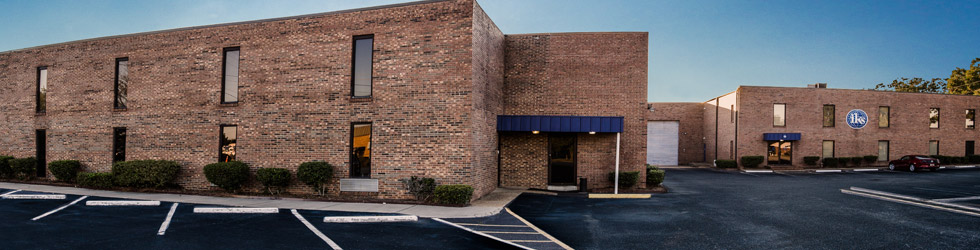
Plant Capabilities
Machining
IKS custom-engineers parts for all types of applications. Our state-of the-art advanced machining technology uses CNC machines tools with over 50 major machining centers.
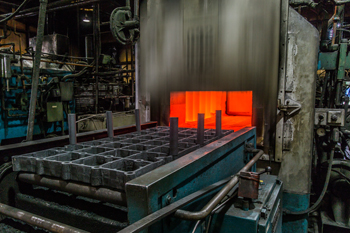 Heat Treating
IKS heat-treating capacity is one of the largest of any knife and saw manufacturers in the world. Our computer-controlled heat-treating and tempering processes produces blades to close tolerance quality control standards. Blades up to 16 feet long are heat-treated in-house.
Grinding
IKS offers one of the world’s largest integrated grinding facilities for the purpose of producing industrial machine blades.
Our grinding tolerance capabilities include:
- Thickness: within 40 millionths of an inch on specific IKS grinders
- Outer diameter: 2” to 26”
- Length: 400”
- Rotary surface: 84”
These grinding tolerance capabilities give us the flexibility to manufacture almost any size blade you need to meet your requirements.
Inventory/Shipping
If you need it, we can get it for you. Our inventory includes over 30,000 items and is supported by a library of 80,000 blueprints and designed of various machine knives and saws.
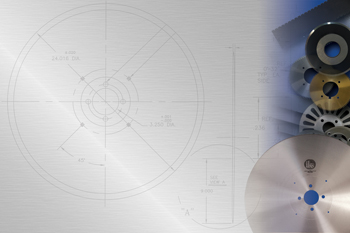 Engineering
Our engineering team is the backbone of our manufacturing group. This highly skilled team of professionals specializes in mechanical engineering disciplines, dealing with all aspects of the manufacturing process, insuring our customers’ orders will move quickly and error-free through all the necessary operations for building world class products.